




13 October 2026

Compliance touches every part of your digital ecosystem – double check what you should be doing to ensure cybersecurity compliance with our guide.

NHS Losing Over 35 million Staff Hours Annually to Workplace Friction, According to New Report
6 May 2026
Apogee wins Apprentice Employer of the Year at the Greater Lincolnshire Apprenticeship and Skills Awards 2026
12 June 2026NHS Losing Over 35 million Staff Hours Annually to Workplace Friction, According to New Report
6 May 2026Apogee wins Apprentice Employer of the Year at the Greater Lincolnshire Apprenticeship and Skills Awards 2026
12 June 2026Cyber attacks are evolving at speed. Modern cyber threats are no longer limited to simple viruses or easily detected malware. Attackers now use sophisticated techniques designed to bypass traditional defences and exploit the most vulnerable points in an organisation’s infrastructure.
Those vulnerable points are often endpoint devices. Laptops, desktops, mobile phones, tablets, and servers all connect to corporate networks and access sensitive data. In remote and hybrid working environments, these devices operate across multiple locations and networks, increasing exposure to risk.
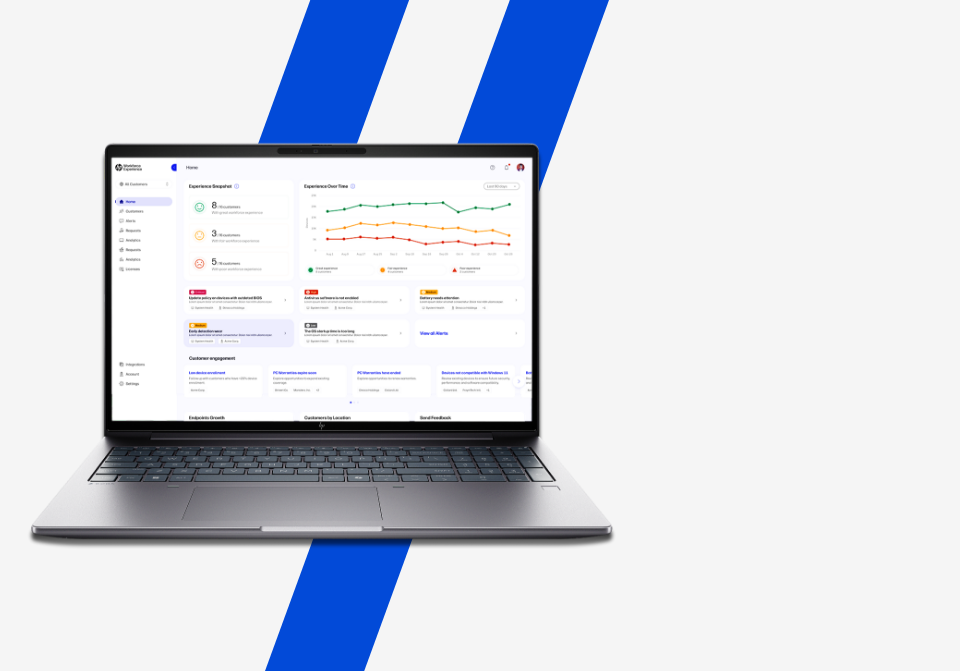
Endpoint security protection has emerged as a critical response to this evolving threat landscape. Rather than relying solely on traditional antivirus tools, modern endpoint security tools monitor, analyse, and respond to suspicious activity in real time. This article explains what endpoint security is, how it works, and how advanced endpoint protection helps stop modern cyber threats before they disrupt your business.
Endpoint security protection refers to the technologies and policies used to secure devices that connect to a corporate network.
These endpoints include laptops, desktops, mobile devices, and servers. Because each device can access sensitive data, every endpoint represents a potential attack surface.
Unlike traditional antivirus software, modern endpoint security tools are designed to:
Endpoint security protection is therefore not just a piece of software installed on a laptop. It is a coordinated security approach that integrates monitoring, detection, and response into a broader cyber security strategy.


Endpoint security works through layered monitoring and automated response.
First, the system observes device activity continuously. This includes processes running in the background, file changes, network communication, and user behaviour.
Next, it compares activity against two key detection models. Signature-based detection identifies known malware using established threat patterns. Behavioural analysis evaluates whether activity deviates from normal device behaviour, even if the threat has never been seen before.
Advanced endpoint protection enhances this process with artificial intelligence. Machine learning models analyse large volumes of data to identify subtle indicators of compromise that would be difficult to detect manually.
When a threat is identified, the response is immediate. The affected device can be isolated from the network, malicious processes terminated, and administrators alerted through centralised management dashboards. This rapid containment prevents threats from spreading across systems.
Endpoint security protection is most clearly understood when applied to real-world threat scenarios. Modern cyber threats use tactics that are designed to evade traditional defences. Advanced endpoint protection addresses these threats directly.
Ransomware attempts to encrypt files and lock systems until a payment is made. Advanced endpoint protection uses behavioural monitoring to detect unauthorised encryption activity. When unusual encryption patterns are identified, the system can automatically halt the process and isolate the device before the attack spreads. Early detection and containment are critical to preventing widespread disruption.
Fileless attacks operate directly in memory rather than through traditional executable files. This makes them difficult for conventional antivirus tools to detect. Advanced endpoint protection uses behavioural detection and memory analysis to identify malicious scripts and abnormal process activity, even when no file is present on disk.
Modern phishing campaigns often rely on previously unseen techniques or malicious links that have not yet been catalogued. AI-driven analysis within endpoint security tools evaluates suspicious URLs, email attachments, and file behaviour. By analysing patterns rather than relying solely on known signatures, advanced endpoint protection can block emerging threats before they gain a foothold.
Modern workplaces frequently allow you to bring your own device policies and remote access. Personal devices connecting to corporate networks introduce additional risk. Endpoint security tools enforce policies that ensure devices meet defined security standards before accessing sensitive data. Continuous monitoring also helps detect unusual user behaviour that may signal insider threats.
In each of these cases, endpoint security protection addresses the tactics used in modern cyber threats, reducing the likelihood of compromise and limiting potential impact.
From a business perspective, advanced endpoint protection addresses risk, resilience, and compliance.
The consequences of a successful endpoint attack can include:
At the same time, workplace trends have expanded the attack surface. Employees connect from home networks, public Wi-Fi, and personal devices. Each endpoint increases potential exposure to modern cyber threats.
Advanced endpoint protection reduces this risk by strengthening monitoring, enforcing consistent policies, and limiting the time attackers have to move within a network. It forms a critical layer in a comprehensive security strategy, ensuring endpoints are not the weakest link.


Modern cyber threats continue to evolve, and endpoint devices remain one of the most targeted entry points for attackers. Strengthening endpoint security protection is no longer just an IT upgrade. It is a core part of protecting data, maintaining operational continuity, and reducing organisational risk.
Start by reviewing your current endpoint security posture. Consider whether your existing endpoint security tools provide continuous monitoring, behavioural detection, and automated response capabilities. Assess how well your devices are protected across remote, hybrid, and bring your own device environments. Gaps in visibility or delayed response times can significantly increase exposure.
Advanced endpoint protection helps close those gaps. By combining real-time monitoring, centralised management, and proactive threat containment, organisations gain greater control over device-level risk and improved resilience against modern cyber threats.
If you would like support assessing or enhancing your endpoint security, Apogee’s cyber security specialists can help. Learn more about our Endpoint Security services.
By submitting this form, you acknowledge that you have read and understand the Apogee Privacy Statement.
Data Privacy Policy | Cookies Policy
See the latest insights on the modern workplace, and more about what we’ve been up to.