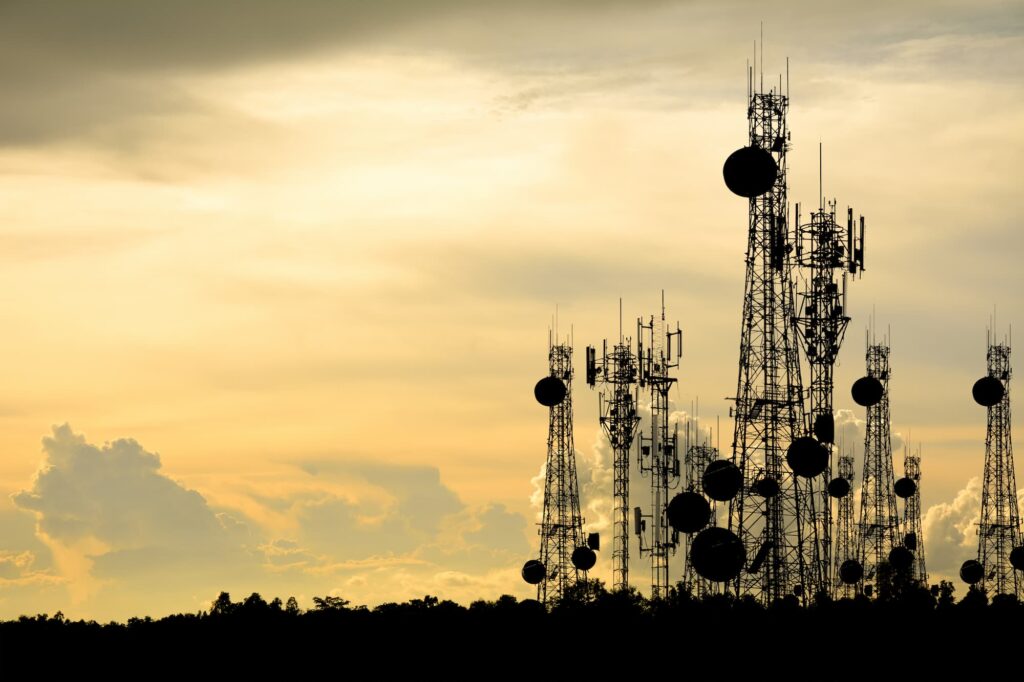
A digital phone line, or Voice over Internet Protocol (VoIP), is a phone service that transmits calls over your broadband connection rather than traditional copper telephone lines. Digital phone lines are more cost-effective, flexible, and feature-rich – allowing forward-thinking businesses to secure their futures, not just maintain their current operations.
At London Tech Week 2025, UK Prime Minister Sir Keir Starmer spoke about the role that AI will play in creating a better future for the UK’s public services, particularly the NHS.
As businesses face enormous pressure to maximise sustainability throughout their practices, being able to facilitate effective hybrid work is likely to play a significant part in the future of workplace design.
PSTN networks worldwide will be deactivated in the Big Switch-Off 2027 - and while it may seem a long way off, several advantages come from moving to digital sooner rather than later.
If you’re an organisation in today’s digital age, having robust cyber security measures for confidential data isn’t optional. On the contrary, it must be a central component of your operations and strategies for the future.
With many sites to oversee simultaneously, print infrastructure is a common bugbear for multi-academy trusts. But some organisations are taking advantage of an easy way to spread cost efficiencies throughout their schools – namely, Managed Print.
Technology has revolutionised communication through social networks, video calls and text messages. Today, speaking with one another across businesses is easy and accessible due to extensive technology such as Voice Over Internet Protocol (VoIP). We’ve shared a guide on the VoIP meaning, how VoIP works, and the benefits of the technology.
With support for Windows 10 ceasing after October 2025, organisations will eventually need to install Windows 11 on their corporate devices. The good news is, this upgrade creates significant benefits for secure hybrid working.